Nuria López Ruiz
Associate Professor


Associate Professor
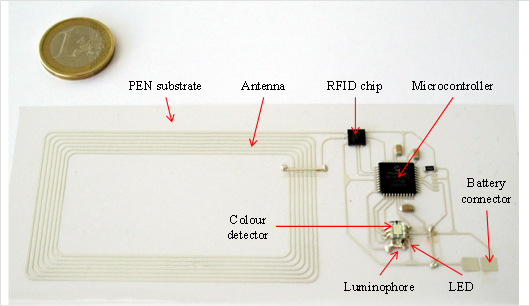
There is a growing interest in the research and use of portable and handheld instrumentation in the lastest years. They have the important characteristic of being able to move the laboratory to the sample and not vice versa with the main aim of monitoring and analysing potential hazardous samples and explosive atmospheres where real-time data and remote monitoring are mandatory in order to enable rapid decision-making.
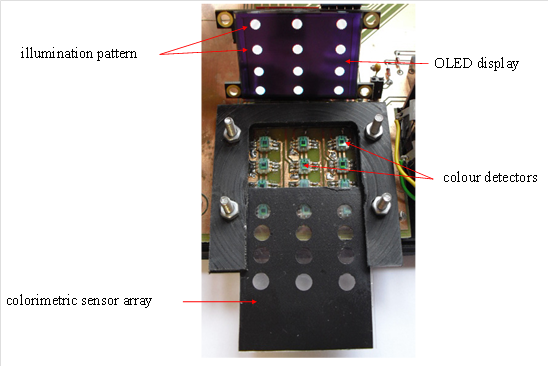
My initial research was focused on the colorimetric detection of optical chemical sensors that change their optical properties with regard to the change in the environmental conditions or the change in aqueous solutions properties. My PhD was then related with colorimetry, optical chemical sensors and design and development of electronic portable prototypes.
Regarding the optical chemical sensors, I have collaborated with the Department of
Analytical Chemistry of University of Granada, which develops colorimetric sensors for the study of pH, nitrites, heavy metals, oxygen, and other
analytes of interest in environmental and health fields.


Ballistocardiography (BCG) is a technique for evaluating the cardiac function of a patient. In the last decade, the research and use of BCG have gained
renewed attention due to the development of new sensors and computational techniques, which have led to more accurate results. The main advantage of this technique is that is
a non-invasive and comfortable procedure for the patient that helps reduce the stress caused by other medical equipment, such as an electrocardiograph, while sleeping.
We have developed several systems using different sensors for this purpose, combining BCG with smartphone Android applications and machine learning to
improve previous results published in the literature.

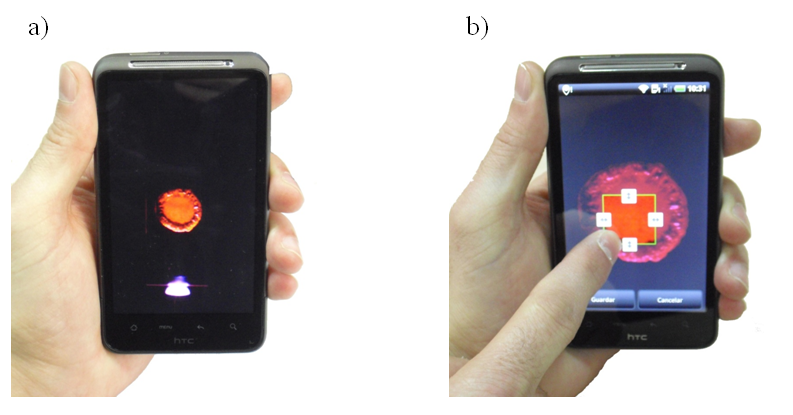
In this case, we have used several smartphones as analytical instruments using their built-in cameras as colour detector. Three different Android applications have been developed in order to extract the colorimetric information of different optical sensors and samples.